Science
What does Science at Mulbarton Primary School look like?
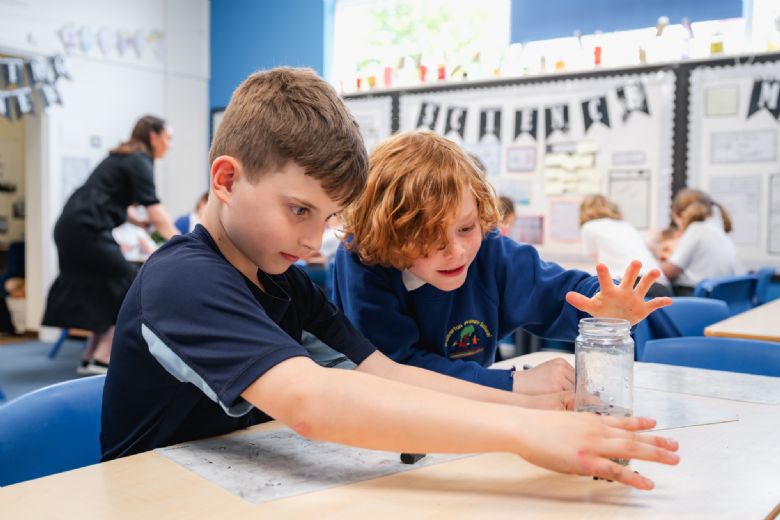
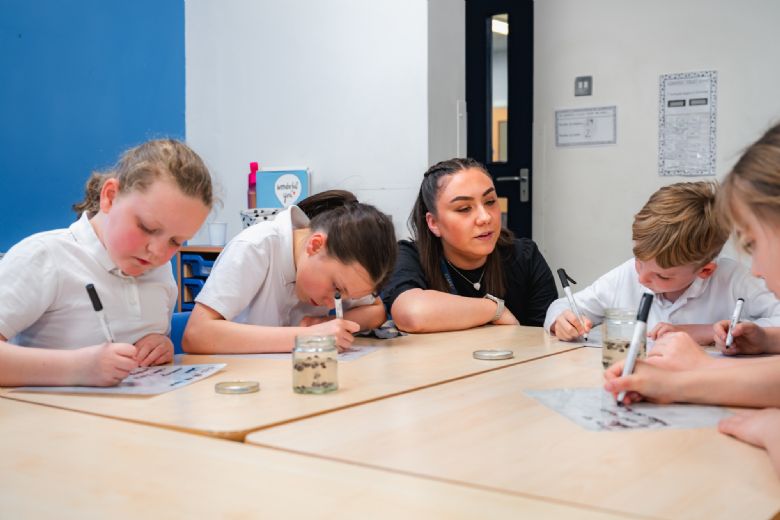
Our Science curriculum is constructed to provide our pupils with an understanding of the world and how science changes our lives. We provide an investigative curriculum, encouraging pupils to develop and use their working scientifically skills to develop scientific knowledge and understanding of all National Curriculum topics. We also aim for our pupils to understand the uses and implications of science today and in the future.
Our Science curriculum is planned around the National Curriculum and has been sequenced with a progression of knowledge, skills and vocabulary. Science is taught as a discrete subject on a weekly basis. Formative assessments are used before planning and delivering topics to ensure that the learning is tailored to the needs of the current cohort. Every lesson features a prior learning recall activity which may be presented as a recap or as an assessment to check if learning is ‘sticking’. Key vocabulary is displayed in classrooms and taught both in lessons and as part of our ‘Word of the Day’. Children learn about real-life scientists from a diverse range of backgrounds. Pupils are encouraged to show our Wonderful Learner skills of resilience, problem-solving, reflection, inquisitiveness, focus, aspiration and collaboration in their science lessons and receive dojos for this.
|
|
|
 |
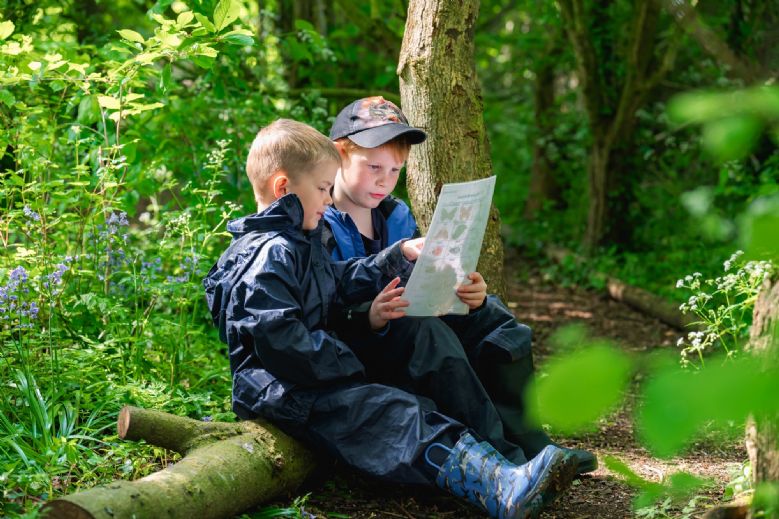
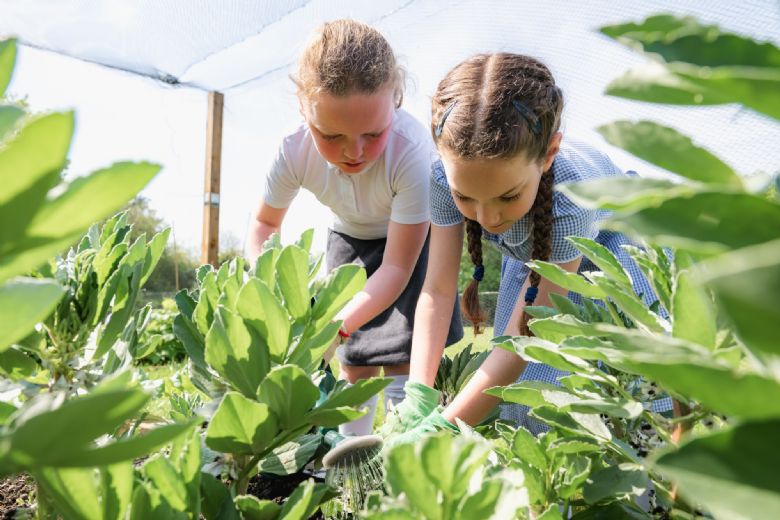
To ensure that our Science curriculum is accessible to all, we ensure that we use adults effectively to provide support. Teachers provide scaffolding activities to support children with recording. Tasks are broken down into manageable chunks. Collaboration is encouraged so children get the chance to learn from both adults and their peers through group work and discussion.
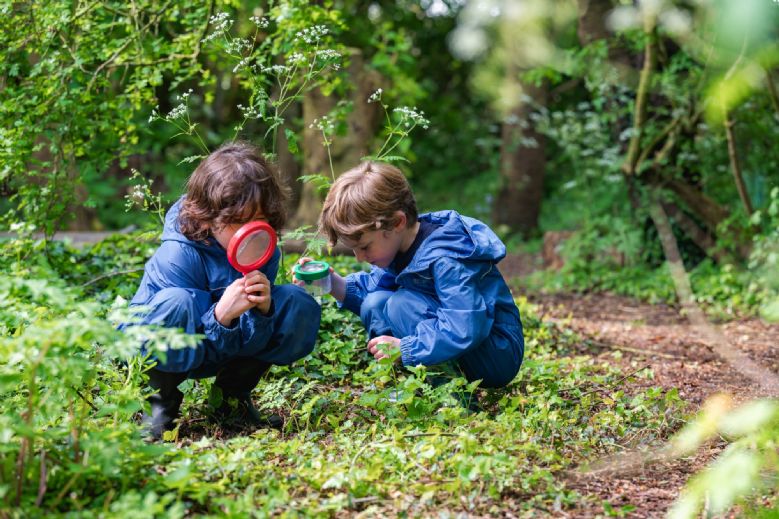
In Reception, children learn scientific knowledge and skills through the strand of 'Understanding the World'. Our continuous provision in the Early Years Foundation Stage allows children to have the opportunity to learn through open-ended exploratory play in both our indoor and outdoor environments. This then leads to the children drawing supporting adults into their enquiries through conversation and investigation. The adults can then develop and guide the learning, relating new learning to previous experiences. Adult-directed activities ensure all children have the opportunity to learn the correct vocabulary and skills. In this way, knowledge is built collaboratively through exploration and conversation either between pupils and / or between adults and pupils.
We hold a Science week during the year. Children get the chance to work with scientists from the local community and to research famous scientists who are linked to their work. We also invite parents to join their children for a practical Science Learning Café. There are also a range of science-based trips and visitors arranged throughout the school year.
|
|
|
 |